
Rules as of October 2026. Permit rules change; check with your building department before you start.
Most kitchen remodels in South Florida need permits, because they move or add plumbing, electrical, gas or ventilation. Replacing cabinets in the same layout often doesn’t, depending on your city. As of October 2026, Florida’s $7,500 permit exemption, in force since July 1, 2026, doesn’t cover plumbing, electrical, gas, mechanical or structural work. It doesn’t apply to homes in a flood hazard area, and you have to ask for it in writing. Cities such as Miami and Fort Lauderdale approve the request before work can start.

What kitchen work needs a permit?
It depends on what the work touches. Finishes on their own usually don’t need one. Work that changes the plumbing, wiring, gas, ventilation or structure usually does.
| Work | Usually needs a permit? |
|---|---|
| New cabinets in the same layout | Often no. In unincorporated Miami-Dade, installing cabinets is exempt, but the plumbing, ventilation or electrical work that goes with it may need a permit. |
| New flooring or tile, painting | Usually no. |
| Replacing a faucet, sink fixture, dishwasher or disposal where it is | Often no, when a licensed plumber does it (unincorporated Miami-Dade). |
| Moving the sink or adding a water or drain line | Yes: plumbing. |
| New circuits or outlets, moving the range | Yes: electrical, plus gas if the range is gas. |
| A range hood vented outside | Yes: mechanical (ventilation). A ductless hood is often exempt. |
| Removing or opening up a wall | Yes: structural, often with engineered plans. |
| New windows or exterior doors | Yes. |
Use the table as a starting point; your building department has the final word. Each city writes its own exemption list, so the same job can need a permit in one city and not in the next. The examples above come from Miami-Dade’s exemption list for unincorporated areas, last updated in 2018, and from one Broward city’s checklist. There’s more on planning a kitchen remodel on our kitchen page.
Does Florida's new $7,500 rule mean I can skip the permit?
For most kitchen remodels, no. As of October 2026, House Bill 803, in force since July 1, 2026, requires local governments to exempt the owner of a single-family home, or the owner’s contractor, from a building permit for work valued at less than $7,500 (Florida Building Commission summary).
The exemption leaves out:
- any electrical, plumbing, structural, mechanical or gas work
- any property partly or entirely in a flood hazard area
It isn’t automatic, either. You or your contractor send the city a written request with the contract or other documents that show what the work is and what it’s worth. Cities such as Miami and Fort Lauderdale require written approval before work starts, and in the City of Miami the approval must be posted at the site. A project can’t be split into smaller jobs to get under $7,500.
As of October 2026, Palm Beach County’s Building Division says the exemption does not apply within Palm Beach County, because the whole county is designated a flood hazard area. Cities in Palm Beach County run their own building departments, so ask yours how it applies the rule.
In a kitchen, that leaves smaller jobs. Cities that have published examples list interior painting, drywall and cabinet replacement (Pompano Beach adds: with no plumbing or electrical connections), and Fort Lauderdale also lists flooring. Once the sink moves or a new circuit goes in, you’re back to permits.
Who issues the permit: my city or the county?
Usually your city. Miami-Dade County has 34 municipalities, and each has its own building official who issues permits within city limits. Palm Beach County has 39, each with its own permit department. The county’s own department covers the unincorporated areas. In Broward, the county’s Building Code Division serves the unincorporated areas and the cities that contract with it, so check with your city first there too.
Look up your address. If it’s inside a city’s limits, that city’s building department is the one to call. In Miami-Dade, a property folio number that starts with 30 means unincorporated county. Palm Beach County’s Property Appraiser keeps a list of every municipal permit department with links.
Check your flood zone while you’re at it. FEMA’s Flood Map Service Center searches by address. Pompano Beach, for example, lists the zones that start with A or V (A, AE, AH, AO, A99, AR, V and VE) as flood hazard areas, and your city may publish its own flood map.

What does a permitted kitchen remodel involve?
The paperwork varies by city. As one example, Pompano Beach’s kitchen and bath checklist says installing or altering a kitchen requires a permit, and asks for:
- A plan of the work area, and a plumbing plan that shows every fixture. Who draws those plans matters; there’s more on that in designer first or contractor first?
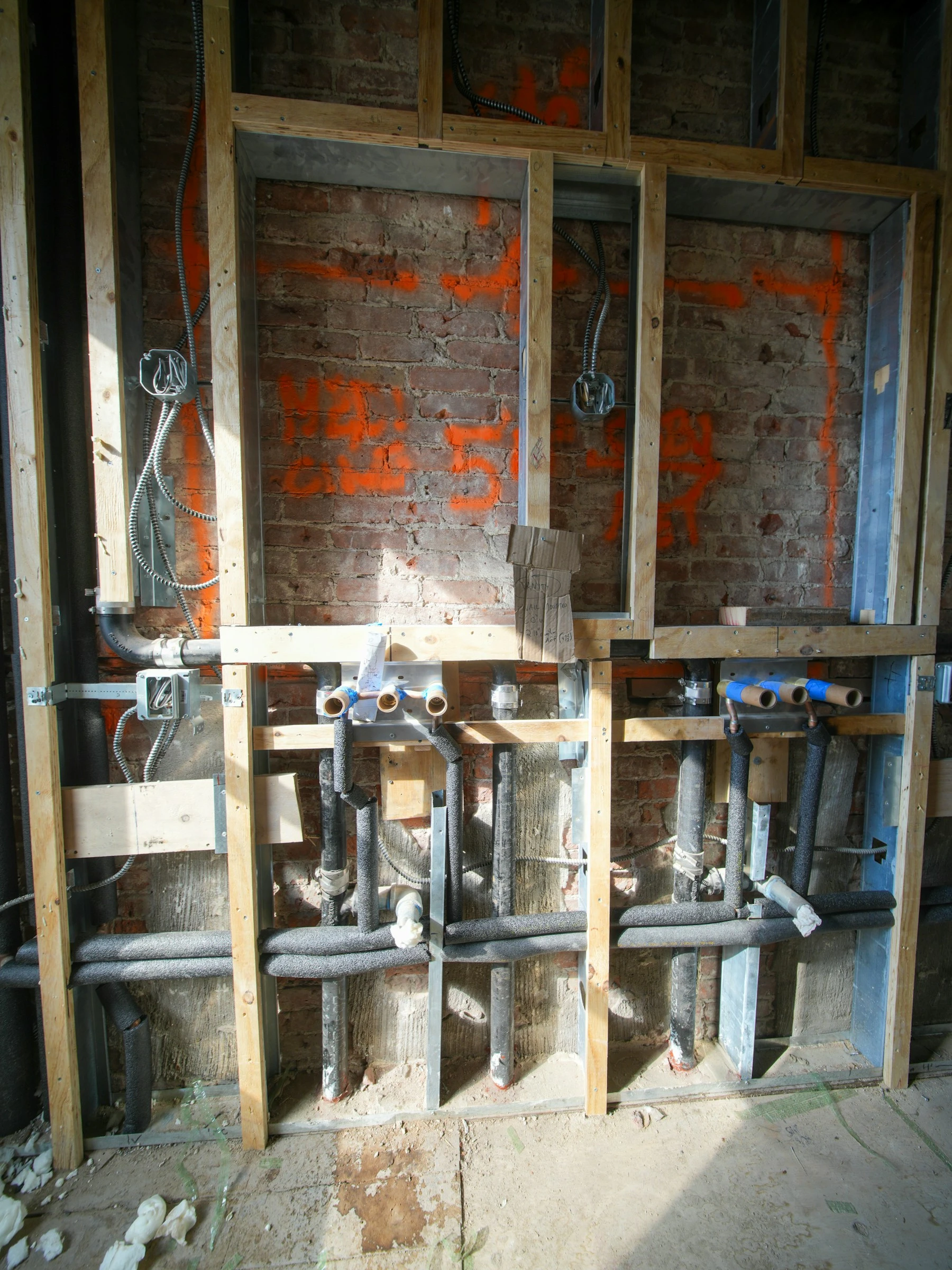
- Separate permits for each trade that applies (plumbing, electrical, mechanical for a vented hood, structural), each from a licensed contractor in that trade, plus gas plans if there’s gas work.
- Electrical plans signed and sealed by an architect or engineer, or signed by the electrical contractor’s license holder, with a notarized signature and license number.
- Inspections for each trade: a rough inspection while the walls are open, and a final one at the end.
Florida law adds one more piece of paper. As of October 2026, for a job over $2,500, a Notice of Commencement has to be recorded with the county clerk and posted at the site before work starts. You, the owner, sign it, and no one else can sign it for you. When the contract is over $5,000, a copy also goes to the building department before the first inspection.
Who should pull the permit?
Normally a licensed contractor does. You can also pull it yourself as an owner-builder. Florida law then makes you the responsible party of record on the permit: you have to supervise the work on site and sign the permit application personally (FS 489.103(7)). Some owners choose that, and it’s fine as long as you know the job is legally and financially yours.
Whoever pulls the permit, check that their license is active on MyFloridaLicense.com before you sign anything.
What if work was done without a permit?
Starting work without a permit costs more. As of October 2026, unincorporated Miami-Dade’s fee schedule adds 100 percent to the usual permit fee when work starts without a permit, on top of other penalties. Cities set their own fees.
In the City of Miami, unpermitted work can’t be legalized through the $7,500 exemption; it has to be brought into compliance first.
Open permits are a related problem. Since 2019, Florida law has given owners a way to close open or expired permits, and a homeowner can close one as owner-builder with approval. Your city or county can’t penalize a buyer only because a previous owner left a permit open. If you’re buying or selling, ask the building department to check the address for open permits.
Before you start: five questions
- Is my home in a flood zone?
- Which building department covers my address?
- Does the plan move plumbing, electrical, gas or walls?
- Who pulls the permits, and are their licenses active?
- Is the job over $2,500, so a Notice of Commencement is needed?
As of October 2026, the most recent change covered here is HB 803, in force since July 1, 2026. This is general information, not legal advice. For later changes, check with your building department or the Florida Building Commission.
Permit rules change and vary by city, so check with your city or county building department before you rely on this. LIVARK, a Florida Certified General Contractor (CGC1538621), can help you work out what your project requires.